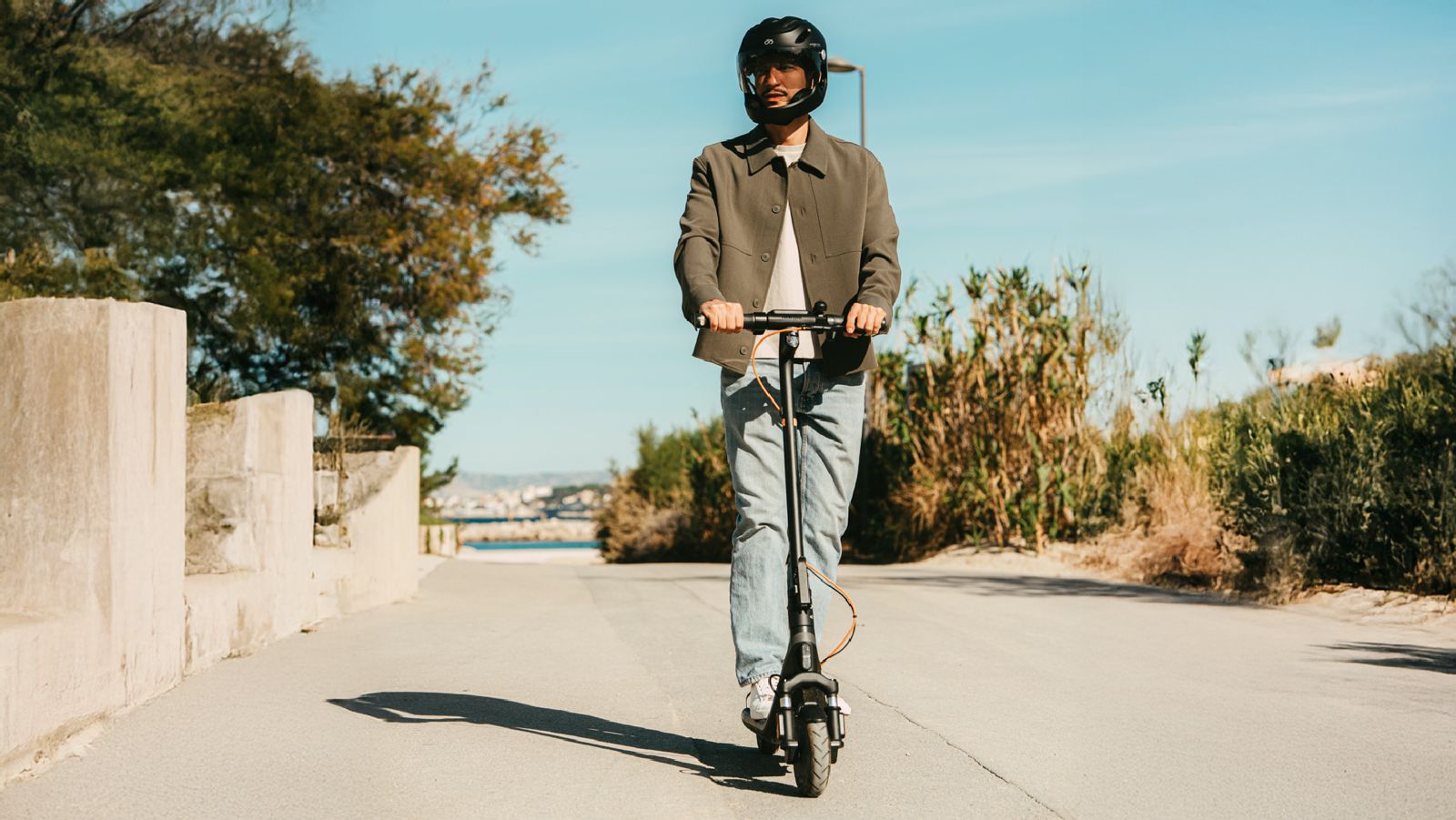
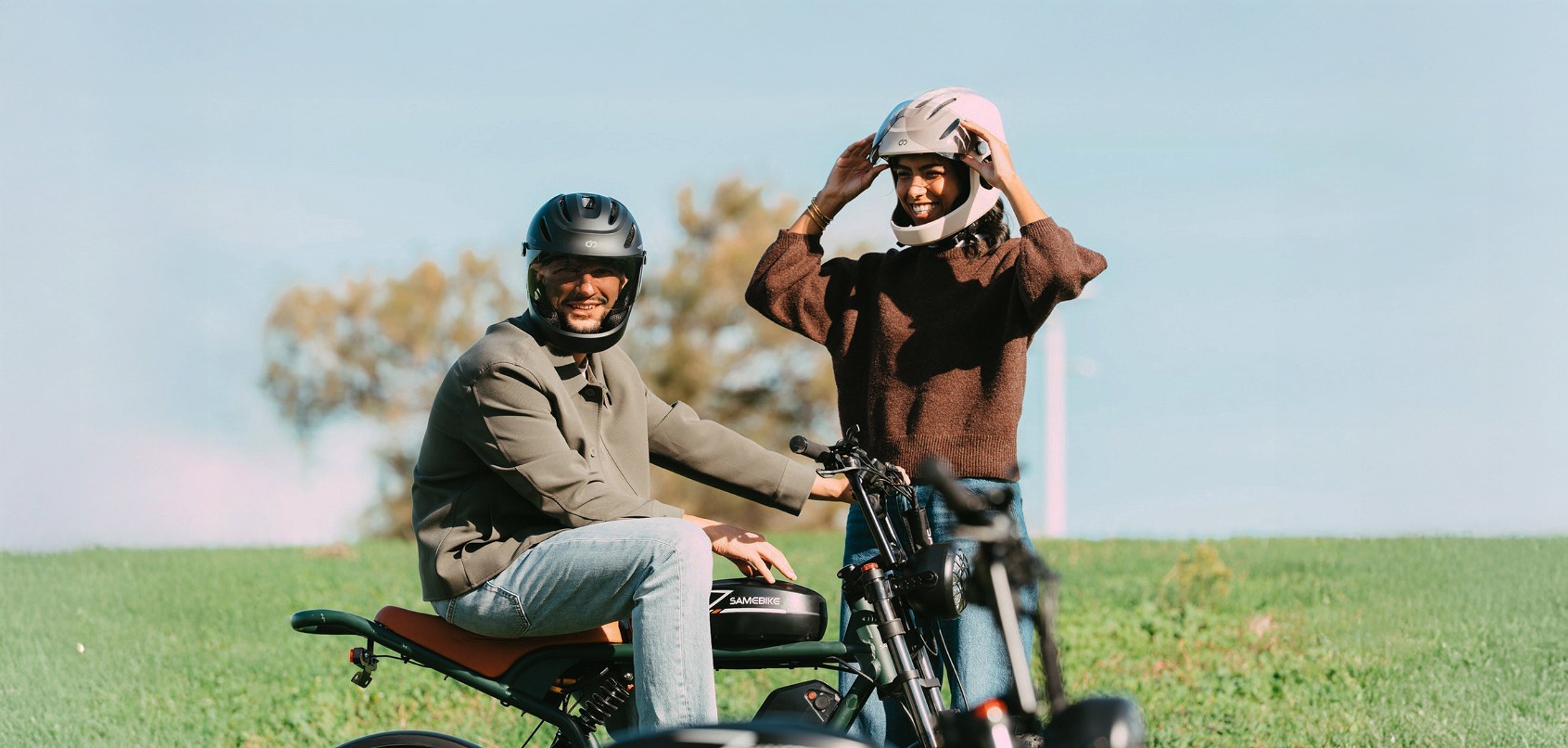
Today, children are no longer content with a simple bike ride in front of the house. They switch from bike to scooter, then skateboard, discover the pump track… and quickly gain confidence. Given these new practices, the children's helmet is no longer just an accessory: it's a real piece of protective equipment, designed to support their progress safely.
As a parent, the goal is clear: let your child have fun, move, and explore, knowing that their head is well protected. But you still need to choose a junior helmet that is truly suited to these multiple uses.
Why children's helmets must evolve with practices
Children's morphology is different from that of adults. Their heads are proportionally heavier, their coordination is still developing, and their reflexes to falls are less instinctive. The result: in case of imbalance, impacts often concern the forehead, chin, and face.
A classic children's bike helmet protects the top of the head, but quickly shows its limitations when the child alternates between bike, scooter, or skateboard. Falls forward are frequent, especially during learning or at moderate speed.
This is where the children's full-face helmet comes in, increasingly popular with urban and sporty families. It offers an extended protective surface, without turning the equipment into a constraint.
[Image of full-face kids helmet vs standard helmet protection areas]The children's full-face helmet: more complete protection, without compromise
Contrary to popular belief, a full-face helmet for children is neither heavy nor stifling. Recent models, such as the Virgo Kids helmets, have been designed to precisely meet the needs of young riders.
A chin bar designed for everyday falls
On a scooter or bike, falls forward are common. The integrated chin bar protects the chin, jaw, and lower face, areas particularly exposed in children.
On Virgo Kids helmets, this chin bar is:
- integrated into the overall structure,
- well ventilated,
- discreet enough not to hinder breathing or communication.
The child speaks, breathes, and moves freely, which promotes acceptance of the helmet daily — a key point for parents.
Lightness and ventilation: essential for a children's helmet
A good children's helmet should be forgotten once in place. With a weight between 550 and 600 g, Virgo Kids helmets remain lightweight for a junior full-face helmet.
The multiple vents ensure good air circulation, even during a dynamic bike ride or a session at the skatepark. The child sweats less, removes their helmet less often… and keeps it on more willingly.
Children's helmet with or without MIPS: how to choose?
Not all children have the same level, nor the same playgrounds. This is why there are two complementary approaches.